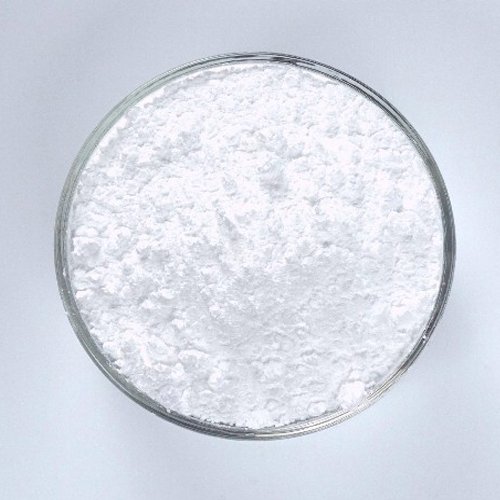
AntibacMax Composite Antimicrobial Additive
- Silver on cubic zirconium phosphate, combined with TiO2 or zinc
- Submicron powder: D50 0.6 µm, D98 1.0 µm
- Heat resistant to 1300°C
- Also inhibits mold growth and helps reduce odor
AntibacMax® composite antimicrobial additive loads silver ions onto submicron cubic zirconium phosphate and combines them with titanium dioxide (P210T) or zinc ions (P210Z). Added to fibers, nonwovens, coatings and films, it inhibits bacterial and mold growth on the treated surface and helps reduce odor.
Key Features
- Two active systems: silver with titanium dioxide, or silver with zinc
- Anti-mold performance with an odor-reducing effect
- Submicron particle size suited to fibers and thin films
- Heat resistant to 1300°C, resists discoloration during processing
- Long-lasting effect, stated by the manufacturer as more than 2 years
Technical Specifications
| Property | P210T | P210Z |
|---|---|---|
| Carrier | Composite zirconium phosphate | Composite zirconium phosphate |
| Active ingredients | Silver ion, titanium oxide | Silver ion, zinc ion |
| Particle size D50 | 0.6±0.2 µm | 0.6±0.2 µm |
| Particle size D98 | 1.0±0.2 µm | 1.0±0.2 µm |
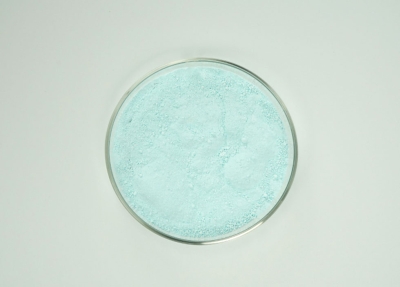
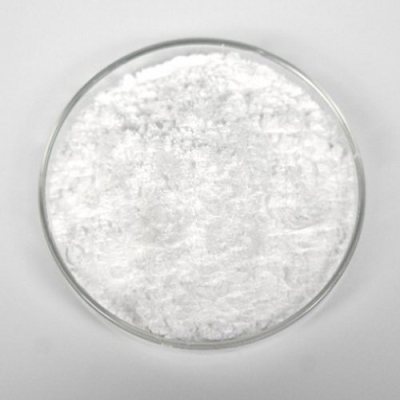
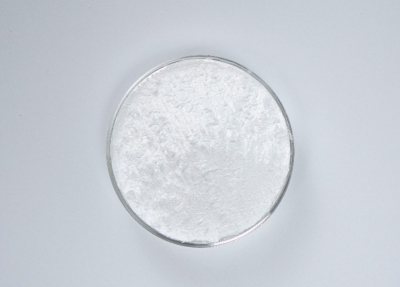
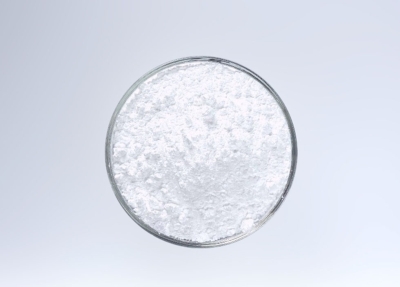
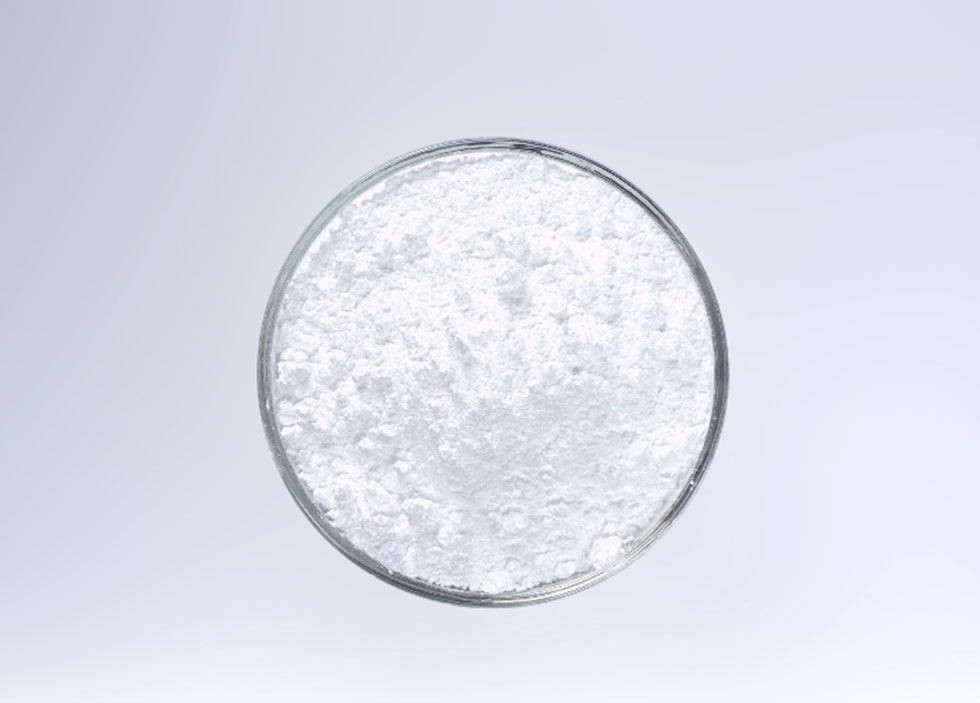
| Appearance | White powder | White powder |
| Heat resistance | 1300°C | 1300°C |
| Typical uses | Fibers, nonwovens, coatings, inks, films, ceramics | Fibers, nonwovens, coatings, inks, films, ceramics |
Applications
- Synthetic fibers and nonwovens
- Plastics, rubber and elastomers
- Coatings and inks
- Films, boards and pipes
- Ceramics
Dosage and Processing
The right loading depends on your polymer and process. We recommend a starting level for your trial.
Packaging and Storage
Packaging options are confirmed on quotation.
FAQ
What is the difference between P210T and P210Z?
Both use silver on composite zirconium phosphate; P210T adds titanium oxide and P210Z adds zinc ions.
Does it also control mold and odor?
Yes. The composite grades are described as having anti-mold performance and an odor-reducing effect in addition to antibacterial activity.
Is it fine enough for fiber spinning?
Both grades have a D50 of 0.6 µm and a D98 of 1.0 µm and are listed for fibers and nonwovens.
Request a Data Sheet or Sample
Send us your polymer or resin system, process and target property through the inquiry form. We will reply with suitable grades, the technical data sheet and sample availability.