HyMax 1010 Monomeric Carbodiimide Hydrolysis Stabilizer for PET, PBT & TPU
- Monomeric carbodiimide, CAS 2162-74-5
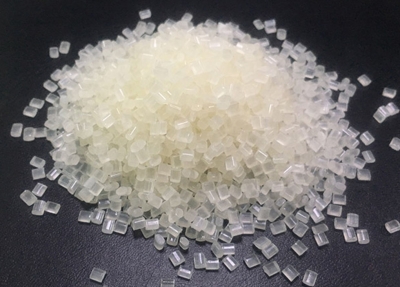
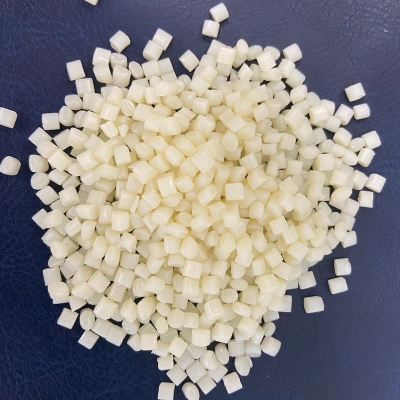
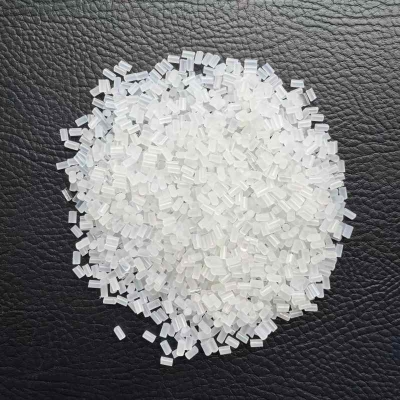
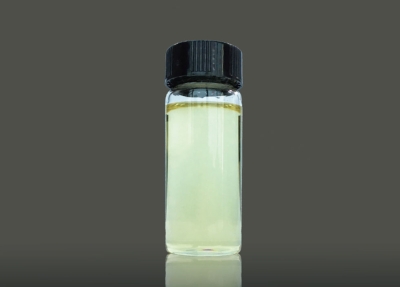
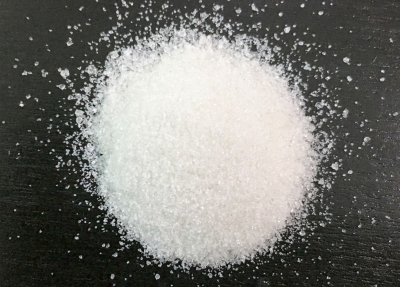
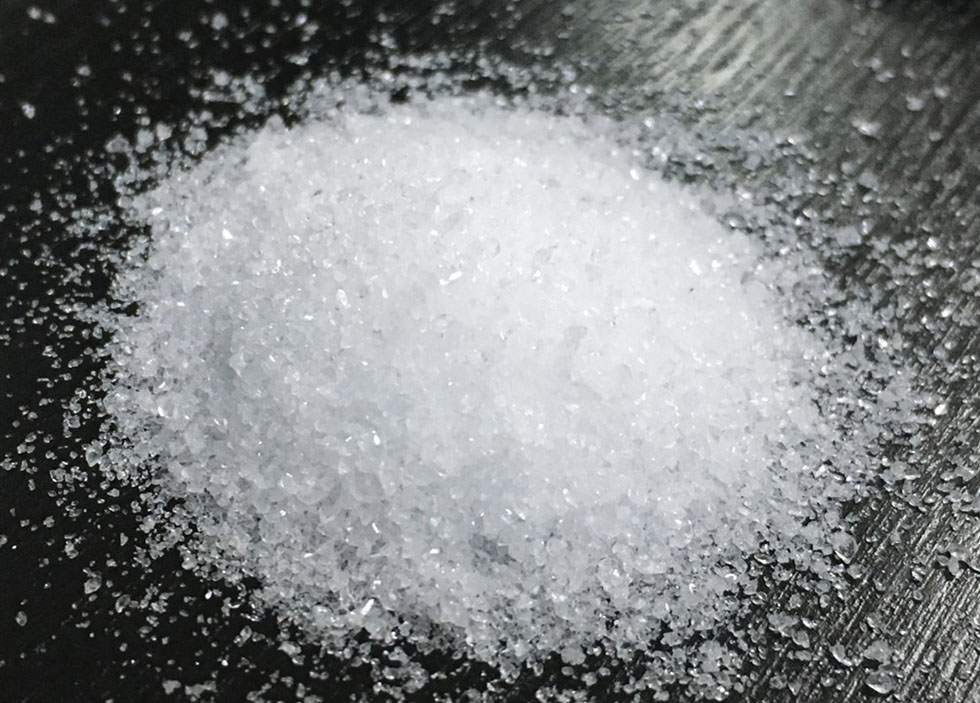
- White to slightly yellow crystals
- For PET, PBT, TPU, CPU, PLA, PBAT, TPEE and PU adhesives
- Reacts quickly with carboxyl end groups
- No residual raw-material monomer
HyMax® 1010 is a monomeric carbodiimide, bis(2,6-diisopropylphenyl)carbodiimide, supplied as white to slightly yellow crystals. It slows the hydrolysis of ester-based polymers such as PET, PBT, TPU and PLA, which lose strength and service life when heat and moisture break their ester bonds.
Key Features
- High reactivity: reacts quickly with carboxyl groups formed during hydrolysis
- High purity, with no residual raw-material monomer
- Advanced synthesis process for better product stability
- Good weathering resistance and broad polymer compatibility
- Cost-effective grade with wide use across polymers
Technical Specifications
| Property | HyMax 1010 |
|---|---|
| Chemical name | Bis(2,6-diisopropylphenyl)carbodiimide |
| CAS number | 2162-74-5 |
| Molecular formula | C25H34N2 |
| Type | Monomeric carbodiimide |
| Appearance | White to slightly yellow crystals |
| Recommended polymers | PET, PBT, TPU, CPU, PLA, PBAT, TPEE, PU adhesives |
Applications
- TPU: footwear, pneumatic tubing, film, conveyor belts, elevator wheels
- PU: adhesives, polyester flexible foam, cast PU guide wheels, PU leather, spandex
- PET: industrial monofilament, specialty film, engineering plastics, fiber, recycled material
- PLA: tableware, 3D printing filament, engineering plastics, agricultural film, fiber
- PBT: electrical and electronic parts, film, dashboards, fog lights, car grilles
Dosage and Processing
The right loading depends on your polymer and process. We recommend a starting level for your trial.
Packaging and Storage
Packaging options are confirmed on quotation.
FAQ
How does HyMax 1010 slow hydrolysis?
The carbodiimide groups react with the carboxylic acids released when ester bonds break, forming stable urea-based compounds without side effects. This slows further hydrolysis and helps the polymer keep its properties.
Which polymers benefit most?
Any polymer that contains ester bonds and ends up in parts used for long periods in hot, humid conditions, such as outdoors. Typical examples are PET, PBT, TPU, PU and PLA.
Is the stabilizer also available as a masterbatch?
Yes. HyMax anti-hydrolysis masterbatches based on PET and TPU are offered for customers who prefer to add the stabilizer directly during injection molding or extrusion.
Request a Data Sheet or Sample
Tell us your polymer, your process and the property you need to protect through the inquiry form. We will reply with the suitable grade, the technical data sheet and sample availability.